Complete Guide to Safe Driving in Snow Conditions
Essential tips and guidelines for navigating winter roads safely, from preparation to execution.
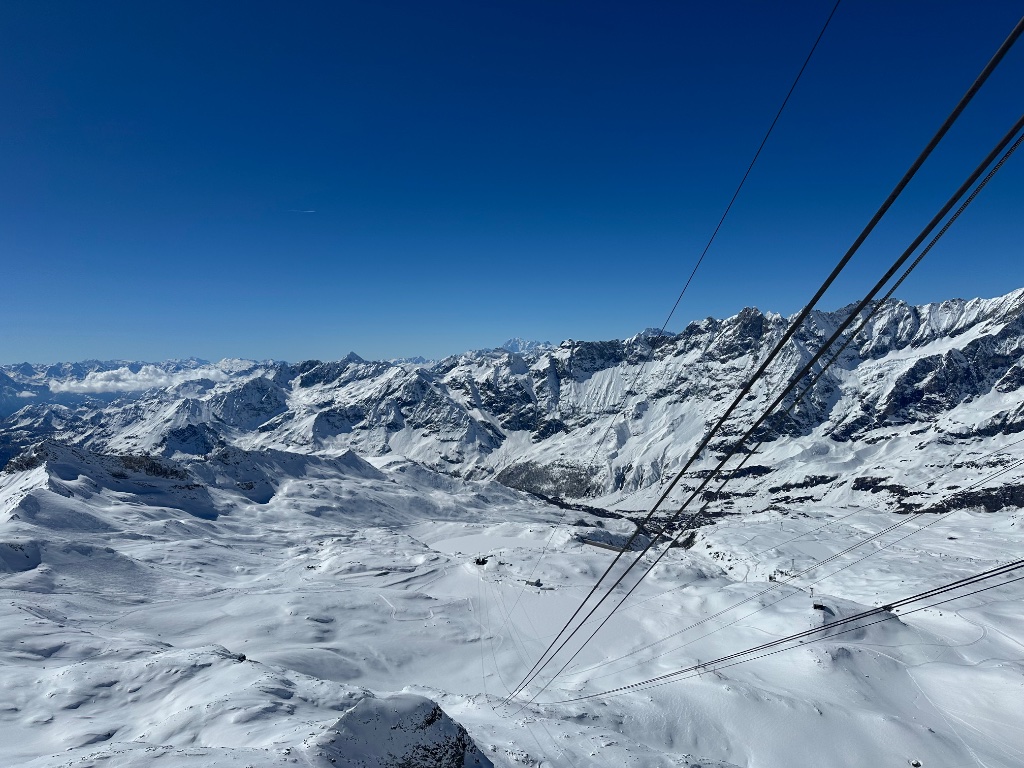
Driving to ski resorts often means navigating challenging winter conditions. Snow-covered roads, ice patches, and reduced visibility require special precautions and techniques. Whether you're heading to the mountains for a ski trip or dealing with winter weather at home, understanding how to drive safely in snow can be life-saving.
Important: If conditions are severe (heavy snowfall, blizzards, or ice storms), consider postponing your trip. No ski day is worth risking your safety.
1. Winter Tires
Install winter tires on all four wheels. They provide significantly better traction than all-season tires in temperatures below 45°F (7°C).
- Look for the mountain/snowflake symbol on tire sidewalls
- Check tread depth regularly (minimum 6/32" for snow)
- Maintain proper tire pressure (cold weather reduces it)
2. Essential Equipment
- • Ice scraper and snow brush
- • Tire chains (if required)
- • Jumper cables
- • Flashlight with extra batteries
- • First aid kit
- • Blankets and warm clothing
- • Water and non-perishable snacks
- • Small shovel
- • Sand or cat litter (for traction)
- • Phone charger
3. Vehicle Checks
- Ensure all lights are working (visibility is crucial)
- Check wiper blades and fill washer fluid (use winter formula)
- Test battery (cold weather reduces capacity)
- Verify antifreeze levels
- Keep gas tank at least half full
Acceleration
Apply gas slowly and steadily. Sudden acceleration causes wheels to spin and lose traction. It can take up to 10 times longer to accelerate on ice.
Braking
Start braking earlier than normal. Pump brakes gently (if no ABS) or apply steady pressure (with ABS). Never slam on brakes on ice or snow.
Steering
Make smooth, gradual movements. Jerky steering can cause skids. If you start to skid, steer in the direction you want to go and avoid overcorrecting.
Speed
Reduce speed by 50% or more in snow. Even with 4WD/AWD, you can't stop or steer faster on ice. Posted speed limits are for ideal conditions.
The 8-Second Rule
In snowy conditions, increase your following distance to 8-10 seconds (vs. 3 seconds in normal conditions). Pick a fixed point and count the seconds after the car ahead passes it.
Remember: Your braking distance can be 10x longer on ice!
If Your Car Starts to Skid
- Don't panic - Keep your eyes on where you want to go
- Take your foot off the accelerator - Don't hit the brakes
- Steer into the skid - Turn wheels in the direction the rear is sliding
- When you regain traction - Straighten the wheel and continue
Going Up Hills
Don't stop partway up a hill. Build momentum before the hill, then maintain steady speed without changing gears or accelerating suddenly.
Going Down Hills
Shift to a lower gear before descending. Let engine braking do most of the work. Avoid using brakes heavily - light pumping if needed.
If You Get Stuck
- Don't spin your wheels - this digs you in deeper
- Turn wheels side to side to push snow away
- Use sand, cat litter, or floor mats under drive wheels for traction
- Rock the car gently (forward-reverse) in low gear
- Call for help if you can't get out after a few attempts
Clear Your Vehicle Completely
- Remove ALL snow and ice from windows, mirrors, lights, and roof
- Snow flying off your roof can blind drivers behind you
- Clear exhaust pipe to prevent carbon monoxide poisoning
- Let defrosters warm up before driving
Use Lights Properly
- Always use headlights in snowy conditions (even during day)
- Use low beams in heavy snow - high beams reflect off snow
- Turn on fog lights if available
- Use hazard lights only when stopped or moving very slowly
Black Ice Danger Zones
Black ice forms when temperatures are near freezing (28-32°F / -2 to 0°C). Watch for it on:
- • Bridges and overpasses (freeze first)
- • Shaded areas under trees
- • North-facing roads
- • Areas with water runoff
Before Leaving
- Check weather forecast and road conditions
- Plan your route and share it with someone
- Allow extra travel time (double your normal estimate)
- Charge your phone fully
- Consider timing - drive during daylight if possible
During the Drive
- Stay alert and avoid distractions
- Take breaks if feeling tired or tense
- Keep your gas tank above half full
- Don't pass snowplows - they're clearing the safest path
- Pull over safely if conditions become too dangerous
When to Postpone
Don't drive if: weather is severe, roads are closed, you lack proper equipment, or you feel uncomfortable. Most accidents happen because drivers overestimate their abilities or underestimate conditions.
Common Misconception
4WD and AWD help you GO, but they don't help you STOP or TURN. On ice, all vehicles stop the same way - slowly. Don't let 4WD give you false confidence.
What 4WD/AWD Does:
- Better acceleration from a stop
- Improved climbing ability on hills
- Enhanced traction in deep snow
What 4WD/AWD Doesn't Do:
- Improve braking performance
- Increase cornering grip
- Make you invincible on ice
Slow down significantly - Reduce speed by at least 50% in snow
Increase following distance - At least 8-10 seconds behind vehicles
Be smooth - Gradual acceleration, braking, and steering
Prepare your vehicle - Winter tires and emergency supplies
Clear visibility - Remove all snow/ice, use proper lighting
Watch for black ice - Especially on bridges and shaded areas
Know your limits - Don't rely on 4WD for braking/steering
Plan ahead - Check conditions, allow extra time, stay alert
Drive Safe, Ski Happy
Getting to the mountain safely is the first step of a great ski day. Winter driving requires patience, preparation, and respect for the conditions. By following these guidelines and using common sense, you'll significantly reduce your risk on snowy roads. Remember: arriving late is always better than not arriving at all. Stay safe out there! ❄️⛷️
Related Articles
Snow Tires or Snow Chains? Plus How to Fit Chains Step-by-Step
Compare snow tires vs. snow chains for driving to your ski resort, and follow a step-by-step photo guide to fitting chains correctly.
SafetyAvalanche Safety Equipment: Complete Guide
Life-saving gear every backcountry skier needs. Beacons, probes, shovels, and safety protocols explained by mountain safety experts.
PlanningWhen Is the Best Time to Plan Your Next Ski Trip?
The complete booking timeline — when to book hotels, flights, rental cars, and lift passes — plus the best resorts for early season, high season, and late season skiing.